Category: Uncategorised

  • Transition Living Lab 25′: Co-creating Sanctuary

    Transition Living Lab 25′: Co-creating Sanctuary


    International Knowledge Exchange Project via Creative Exchange


    Led by Malé Luján Escalante, UAL: MA Service Design
    Akino Tahir Just Transition
    Gerarda Tolino Service Designer

    In Collaboration with Utopian Imagination Co-facilitators from UAL:MA Service Design:

    With the contribution of a panel of experts of people with lived experience as refugee in London:

    • Clive
    • Etracy Trish Rukwava
    • Fatima Elamin

    And others that opted to remain anonymous.
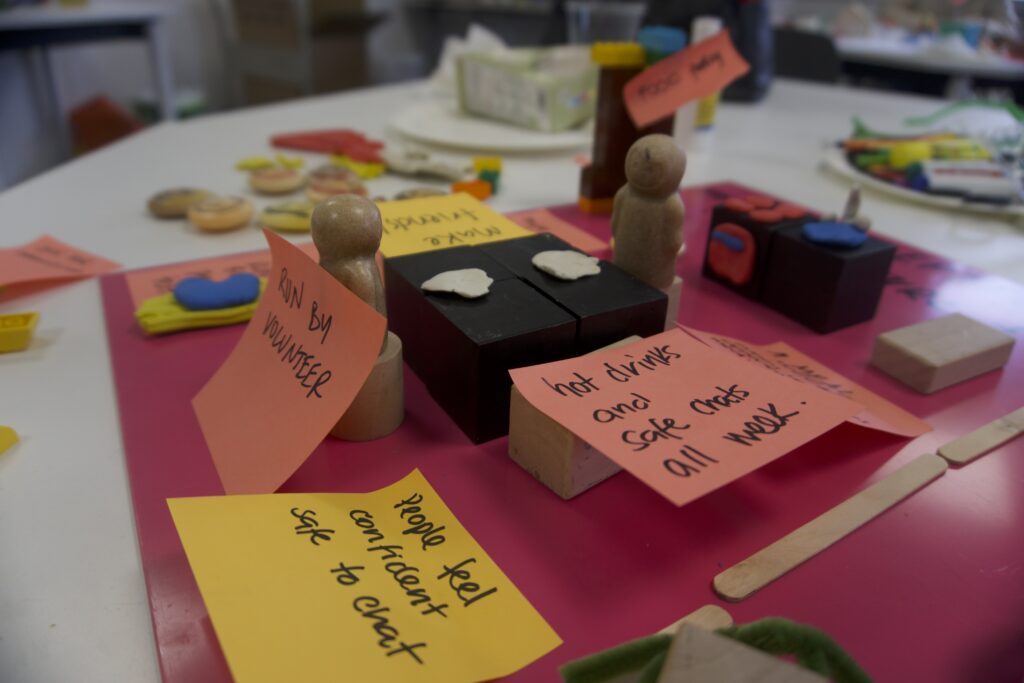

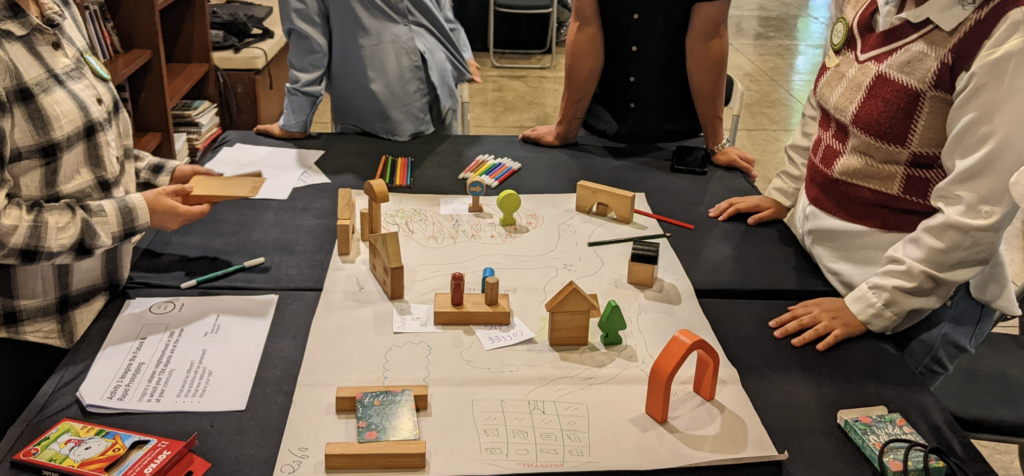
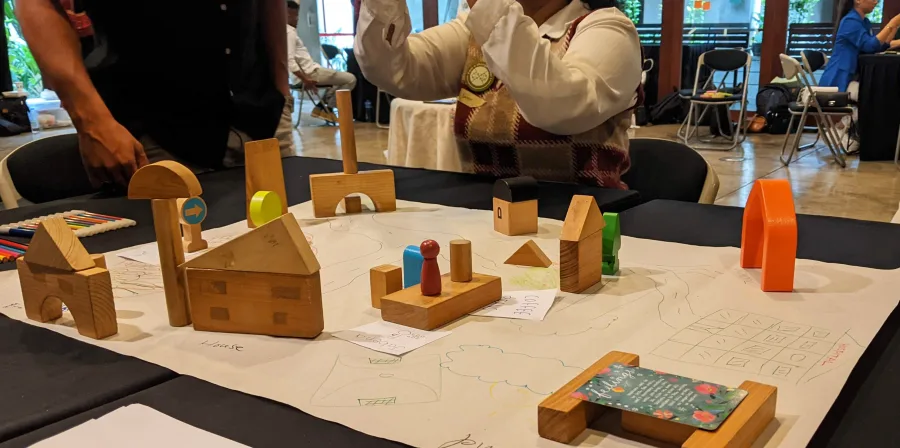
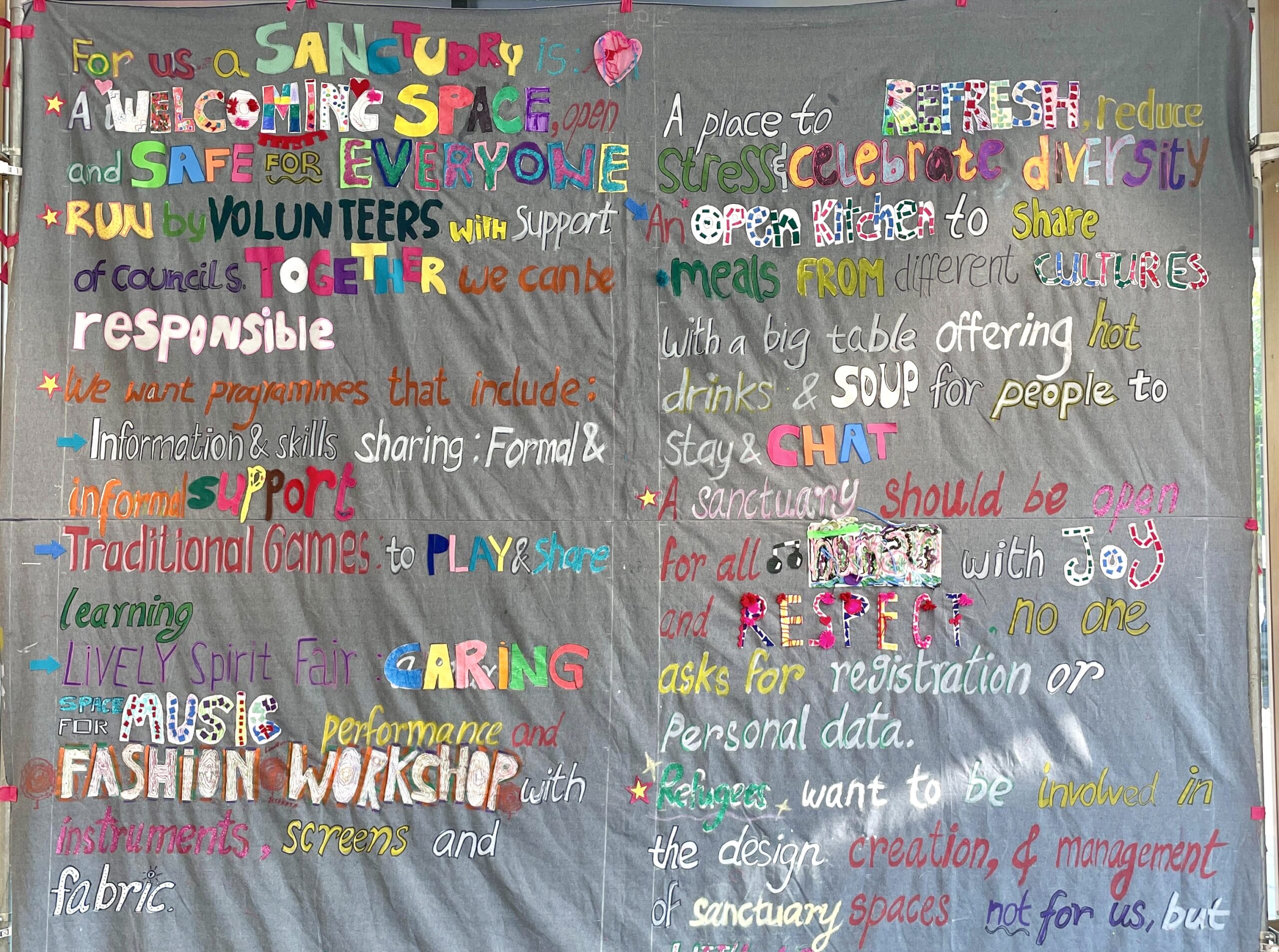
    Transition Living Lab (2024–2025) is an international KE programme via Teaching & Learning that equipped early-career-researchers and community changemakers with the Utopian Imagination methodology to explore the concept of Sanctuary and drive transition actions through co-creation.

    TLL co-created everyday utopias to catalyse concepts of more caring futures for displaced people. At the intersection of Transition Design and Traditional Ecological Knowledge Systems (TEK).

    TLL co-designed workshops exploring spiritual, political, embodied, and joyful dimensions of co-creation to guide participants in utopian imagination.

    TLL goes beyond solution-making approaches, using collective imagination to transform participants’ present realities and foster belonging, agency, and creativity. It challenges deficit-based narratives by shifting the focus from “what refugees lack” to “what refugees bring.”

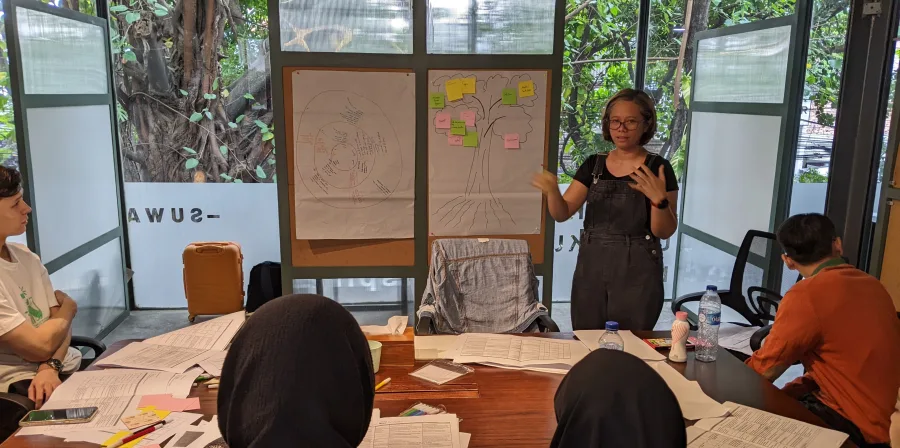
    The program has 2 strands: (1) a train-the-trainers programme for early-career-researchers (ECRs), and (2) a social design sprint model to support displaced participants as emerging changemakers.

    Transition Living Lab took place in 3 sites in simultaneously:

    • Ealing Council, London, UK
    • Deptford Lounge, Lewisham Borough of Sanctuary, London, UK.
    • Cisarua Residence with Emplace Initiative

    And ended with an exhibition and public showcase at the Deptford Lounge in the frame of Refugee Week 2025.
  • Ethics through Design

    Ethics through Design create and sustain spaces for creative collaboration. It supports responsible research and social innovation.

    We design tools, actions and interventions for to facilitate circumspect conversations that may not otherwise happen, between stakeholders, practitioners, and publics both human and more-than-human.

    Ethics through Design follows 3 principles:

    Art Thinking
    Using creativity to open spaces for critical reflection – Sharing Structures
    Engagement Supporting capacities for meaningful participation – Power Relations
    Anticipatory Ethics
    Noticing tensions, addressing opportunities and imagining flourishing futures for all. Utopian Imagination

    Who We Are:

    Malé Luján Escalante: Director Co-founder. Utopian Imagination
    Chris Mortimer: Teaching & Learning
    Keir Williams: Inclusion and Strategic Playfulness
    Monika Büscher Non-executive Director  Co-founder
    Lizzie Harrison Prefigurative Futures
    Viv Kuh Utopia as Method
    Luke Moffat STS Ethics

    We work with:

    Contact us

    If you have ideas for collaboration, reach out to Dr Malé Luján Escalante

    Partners and Stakeholders

    Lewisham Libraries, Deptford Lounge, London, UK
    Resilience Development Initiative, Indonesia
    Lewisham Borough of Sanctuary, London, UK
    University of Tubingen, Germany
    Institute of Technology Bandung, Design Ethnography Lab, Indonesia
    Ealing Council, London, UK
    Public Safety Communications Europe
    University of Bristol, UK
    London College of Communication: Design School, London, UK
    University of the West of England, Bristol, UK
    Leonardo, Italy
    Vodafone, Spain
    National Highways, UK
    The Entrepreneurial Refugee Network, TERN, London, UK
    ACH:Refugee and Migrant Support Services UK, Bristol, UK
    Revoke, London, UK
    Care Pavilion – London Design Biennale, UK
    Mozilla, Trustworthy Artificial Intelligence
    Response-ability Submit, Bristol, UK
    Regenerative Economics, Schumacher Institute, UK
    King’s College London Science Gallery, UK
    Inner Development Goals, Hub London, UK
    Kinranjot: Kundalini Practice, London, UK
    Universitas Gadjah Mada: School of Anthropology, Indonesia
    UAL Centre for Sustainable Fashion, London,UK
    Barbican Library, Barbican Centre, London, UK
    SupraSystemStudio, London, UK
    School of Design, University of the Andes, Venezuela
    Lancaster University College at Beijing Jiaotong University, China

  • Toolkits

    Toolkits

    EDI Toolkit for Response-Able Designers 


    The following toolkits -with their workshops plans, we found useful to use with postgraduate students to support planning their collaborative projects and reflection about their methodological design.  

    Beyond ethics as tick-boxing exercises, or EDI recommendations, these resources aim to catalyze circumspect reflections about how through our design practice we engage with other humans and more-than-humans. The workshops are designed to identify EDI issues and ethical tensions, focusing on the self and team, on the project’s context, and the project’s impact on the wider environment and the planet.  

    The toolkits were developed in the context of industry and academic knowledge Exchange and adapted to pedagogical needs in years of reiteration, driven by the believe in moving beyond ethical values towards Design response-able conduct at the intersections of four dimensions: 

    Expertise – socio-technical and designerly 

    Political – focusing on power inequalities 

    Spiritual – considered as energy exchange 

    Embodied – thinking-feeling with our bodies and Other ways of Knowing. 

    Playful – pleasurable, laughable, illogical, silly 

    Ultimately, the optimal leverage point of any system is within ourselves: the change can only start from each of us. 


    EDI Toolkit for Response-Able Designers 


  • Utopian Imaginations

    Utopian Imaginations

    Lead by Malé Lujan Escalante

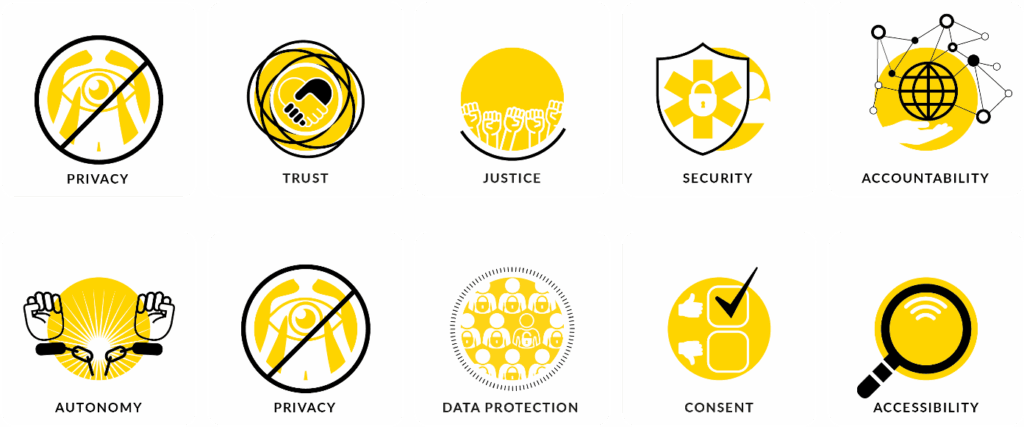
    Ethics for worlds where many worlds fit, ​a decolonial view of westernizing ethical frameworks. Click the hands on the right to see our Radical Empancipatory Values


    Key Projects


  • Envision the Transition

    Envision the Transition

    Principles of practice: envisioning transition changemaking

    Leads: Malé Luján Escalante
    Chris Mortimer, Management School, Lancaster University

    Envision the Transition is a methodology outcoming from the Refugee Transition Network’s interested in testing the value of Transition Design in the context of forced migration. Among of all the complexities of the context, what the project forefronted was a need to support the inner work of the transition changemaker: how can we build capacity and nurture resilience among community leaders, social innovators, our teams and ourselves. 


    Principles of practice: envisioning transition changemaking


    1. Utopian Imagination: this principle is informed by Utopia as Method (Levitas, 2013; Moritmer & Luján Escalante, 2024) and supports future-oriented practices that are diverse and including of other ways of knowing. It promotes democratic debate and embraces conflict rather than seeking consensus-based, sanitized visions of the future. Utopian Imagination emphasizes collective radical imagination as emancipatory act, encouraging participants to reimagine the impossible rather than extending the possible. Utopian Imagination hold spaces to imagine alternative possibilities, not to plan for a hypothetical future, but for the transformative effects of collective imagination in the present.
    2. Decentering the Academic Designer Role: we advocate for transition changemaking not as  academic privilege, or as endeavour of the design leader, but as relational responsibility distributed across constellations of actors. The objective is then, scaffold publics for transition actions.
    3. Relational Leadership: to think about the transition changemaking operating within networks of care rather than hierarchical structures led by outside experts. This approach moves us away of the ‘chain of value’ approach to a “value constellation” model (Luján Escalante, 2019) in order to ideate, action, relate and evaluate projects. This principle anticipates value as ripple effect of the human and more-than-human relations within the project, that is not constraint by the duration, objective and funding of the project.
    4. Pluriversal Approach: this roots the application of TD on lived experiences, community wisdom, and traditional and indigenous ecological knowledges. It pushes a move from universal (ideas, realities, system of values) to test spaces for worlds in which other worlds fit.
    5. Inner Practice: effective innovation for transition actions requires deep personal connections with our bodies, and with spiritual and political dimensions of change. This principle is aligned and informed by the Inner Development Goals (IDG), which highlight the need for transformative personal skills to support sustainable development.
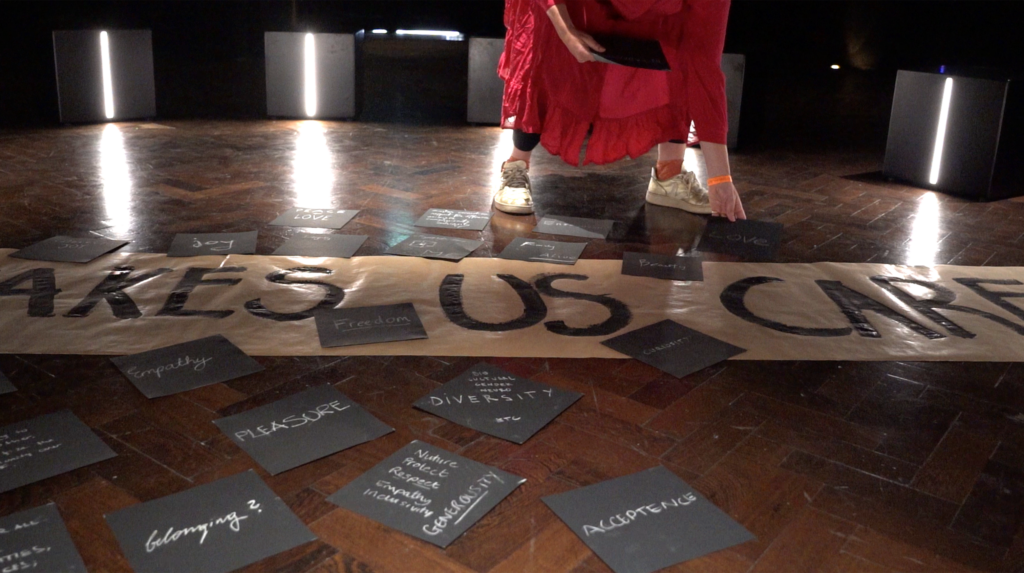
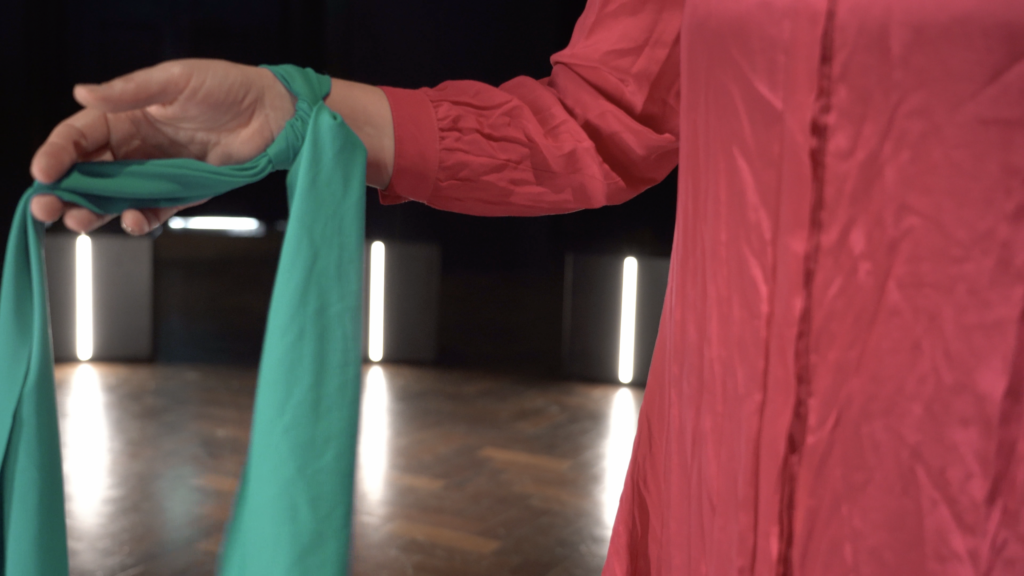
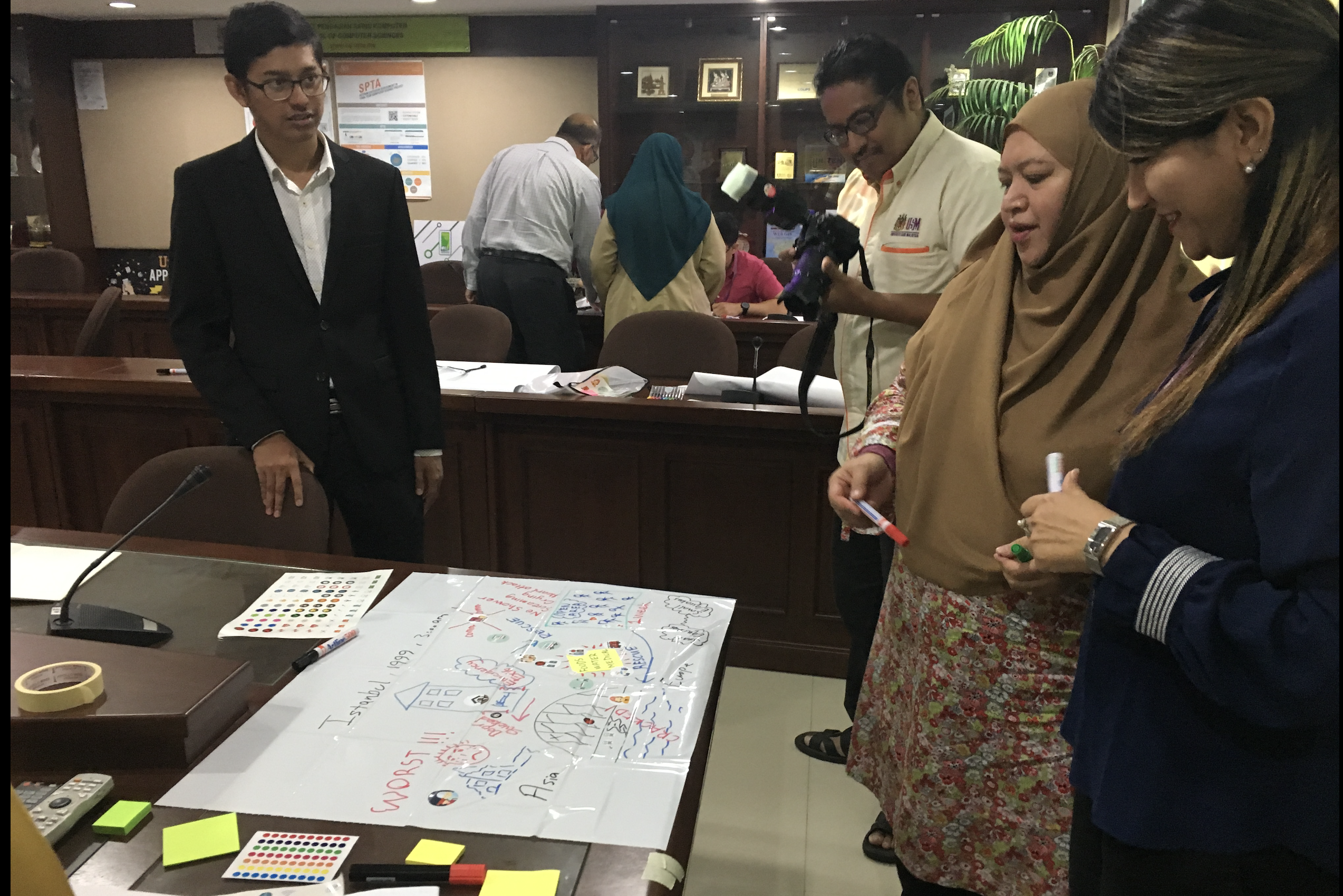
    Refugee Transition Network was piloted 5 Principles of Practice in the context of Envision the Transition Workshop at the Participatory Design Conference, Malaysia, 2024 LINK


  • Pluriversal ways of knowing: A sharing circle

    Pluriversal ways of knowing: A sharing circle

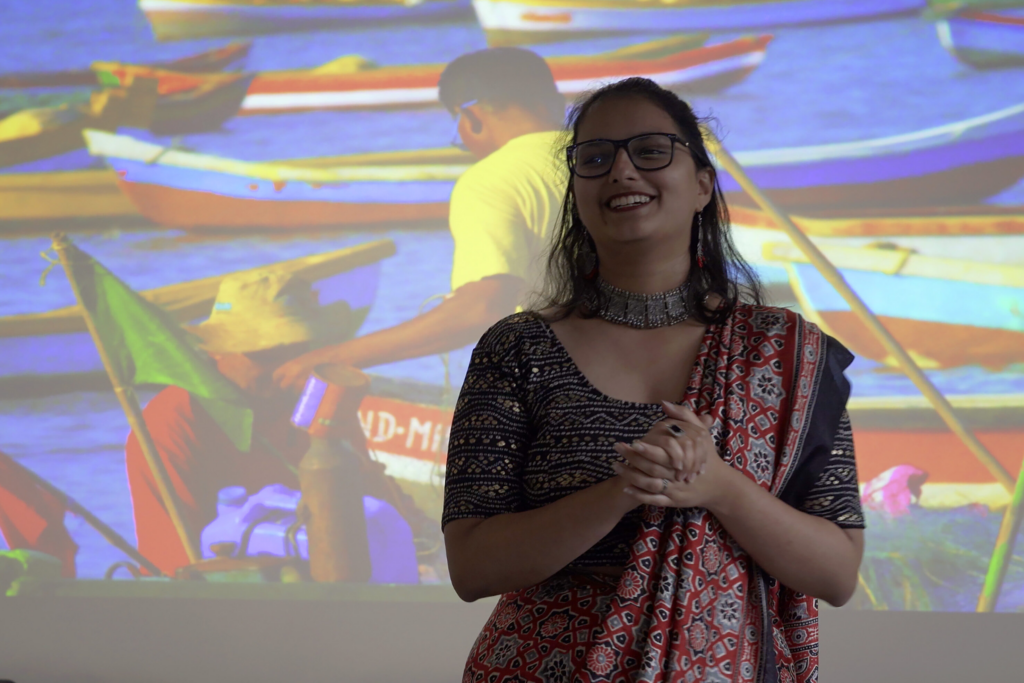
    Dr Akino Tahir – Resilience Development Initiative
    Lizzie Harrison – University of the West of England
    Vivienne Kuh – University of Bristol 
    Marion Lagedamont – UAL:LCC Design School, Service Futures Lab
    Dr Bruna Ferreira Montuori – UAL:LCC MA Design for Art Direction
    Students & Alumni from UAL:LCC MA Service Design  
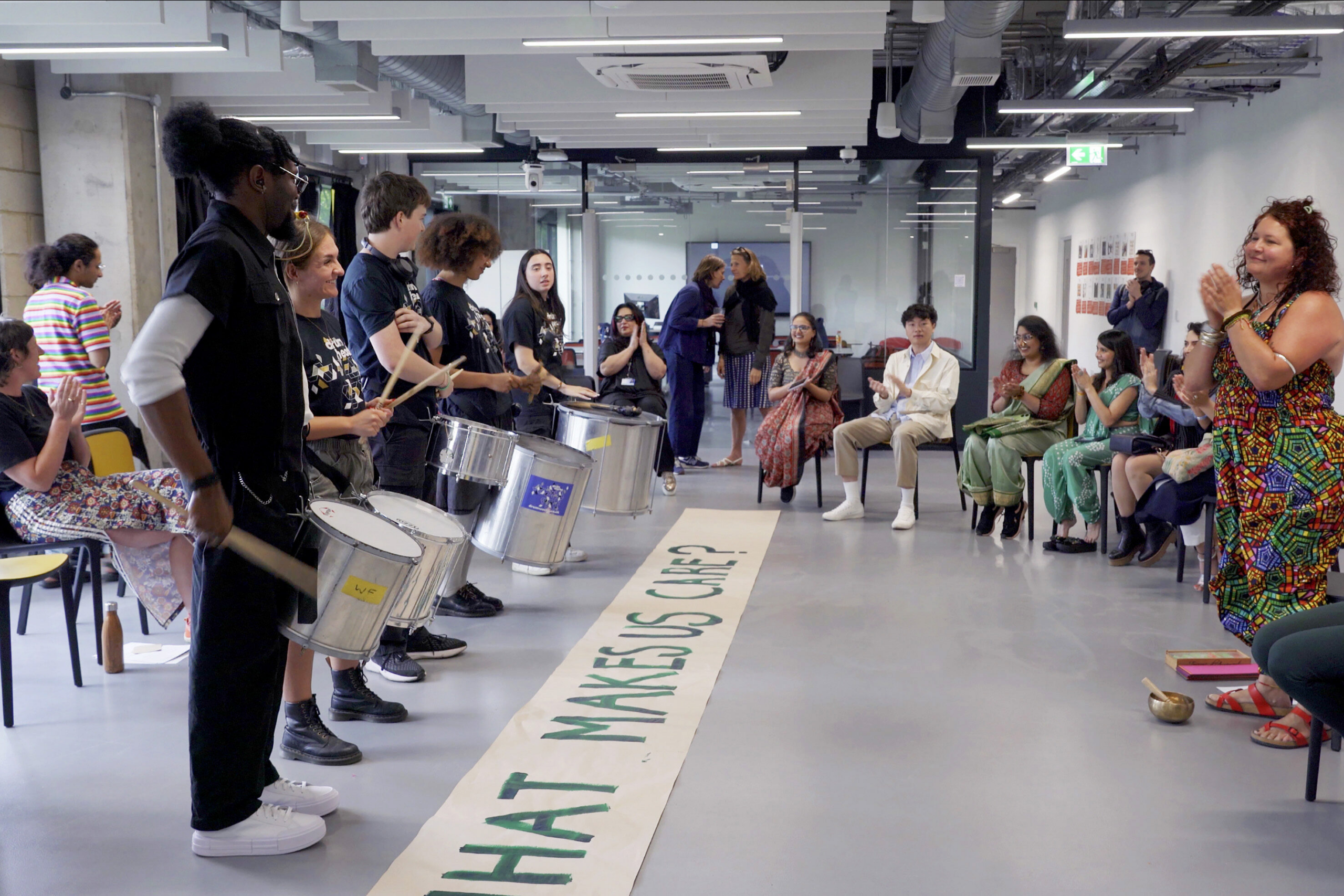
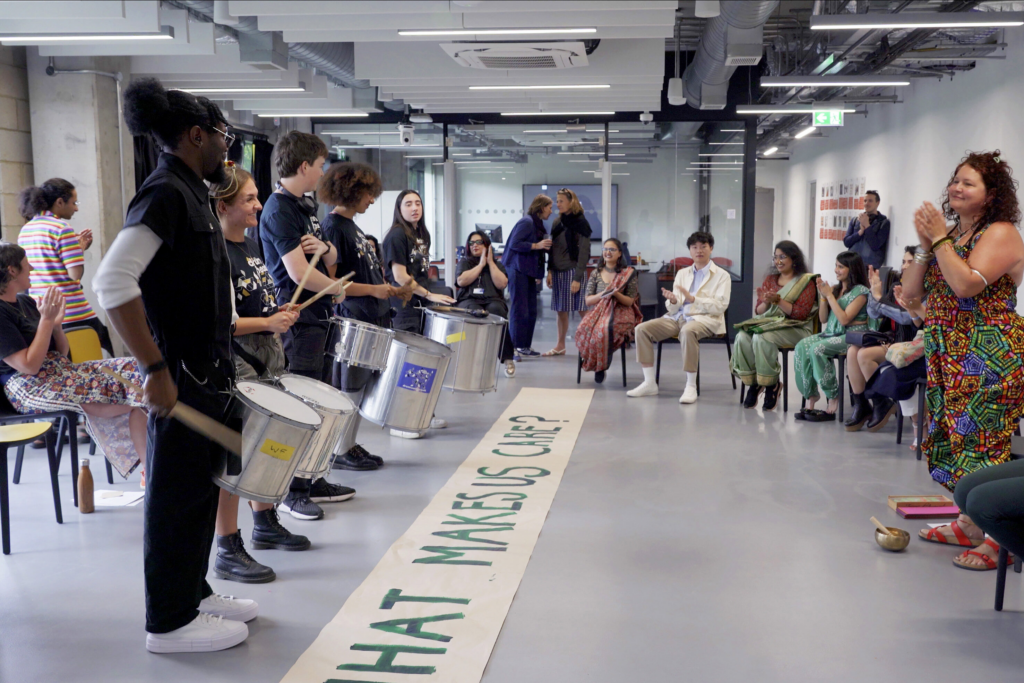
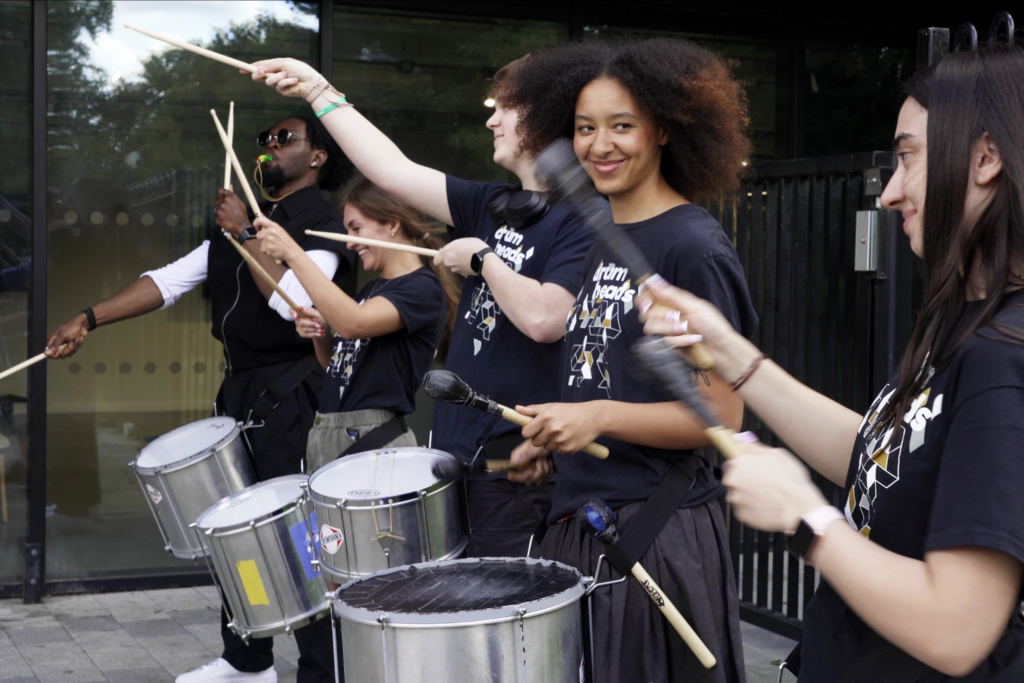
    Drum Works  

    Thank you to the young people from Revoke, who hosted the event and participated.


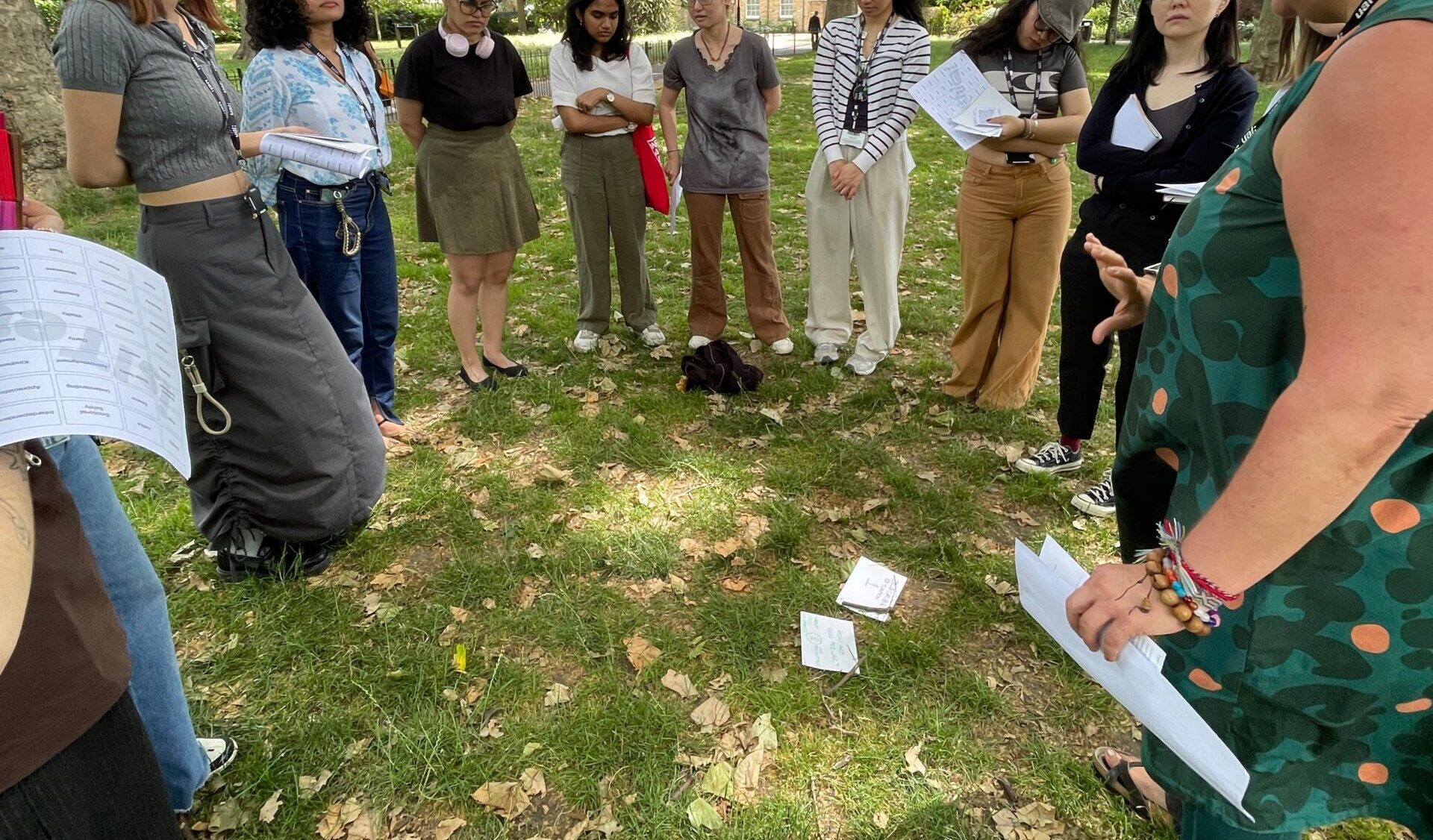
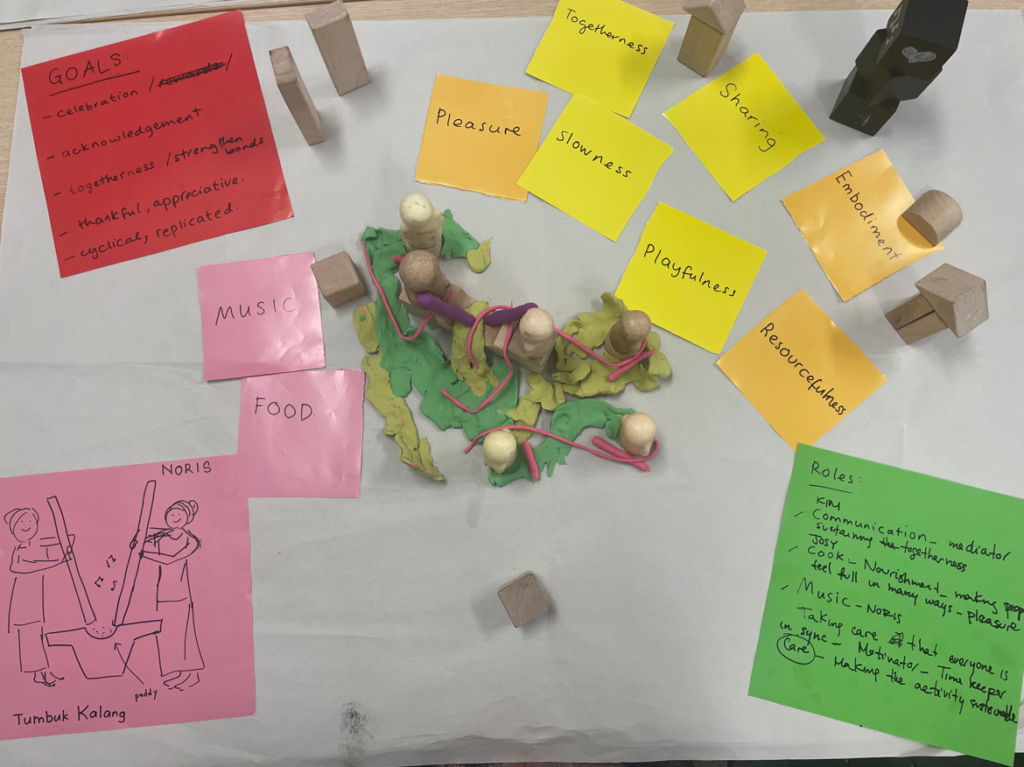
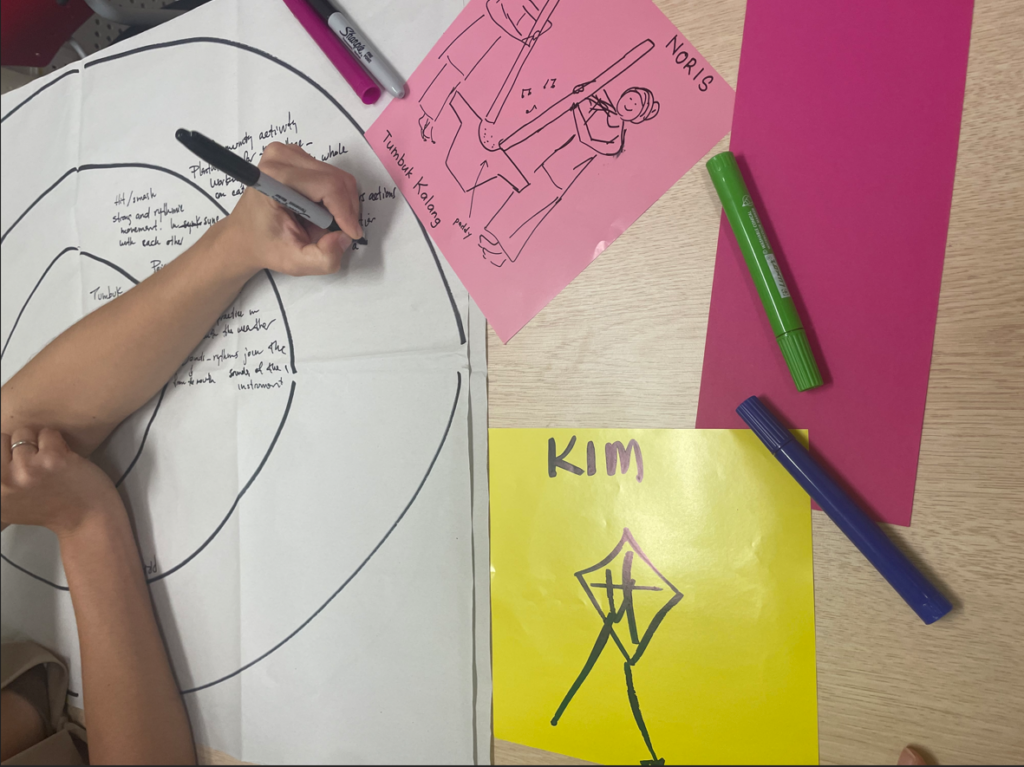
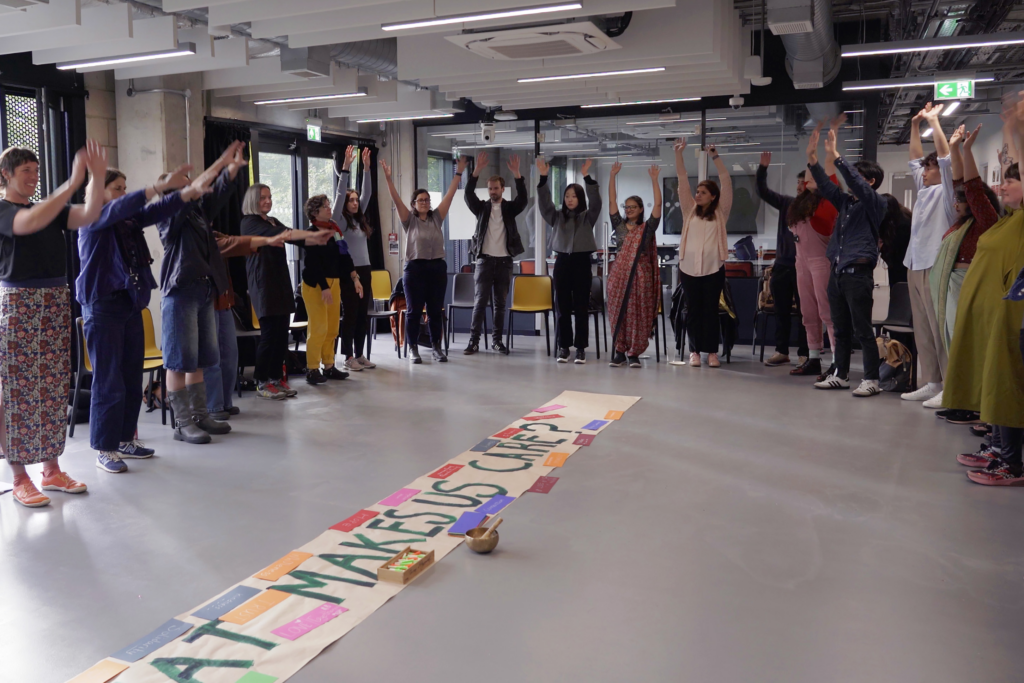
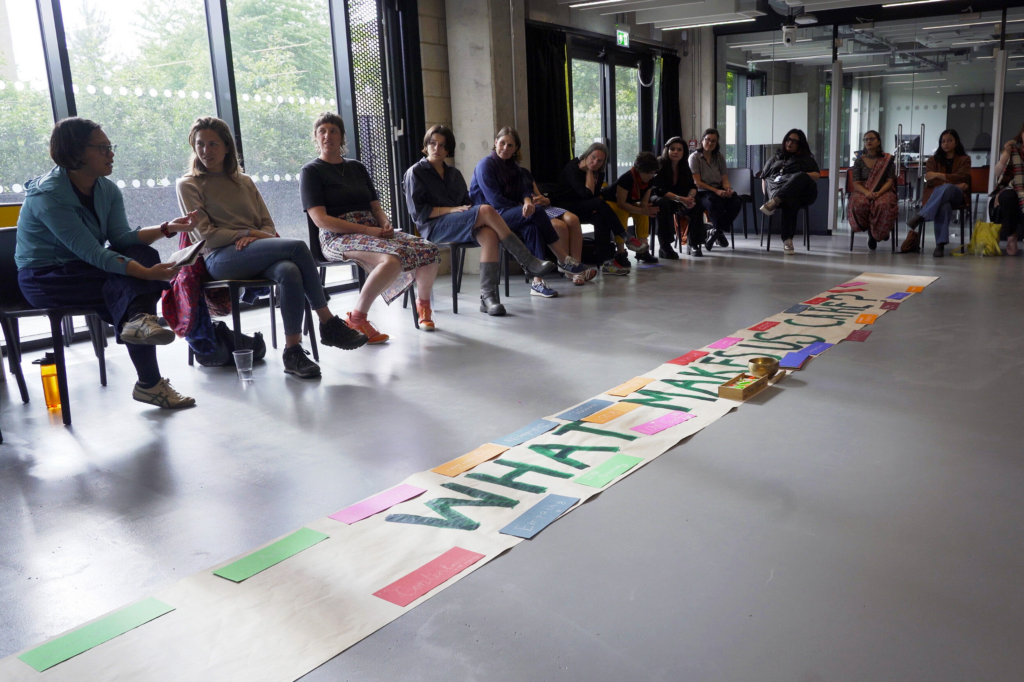
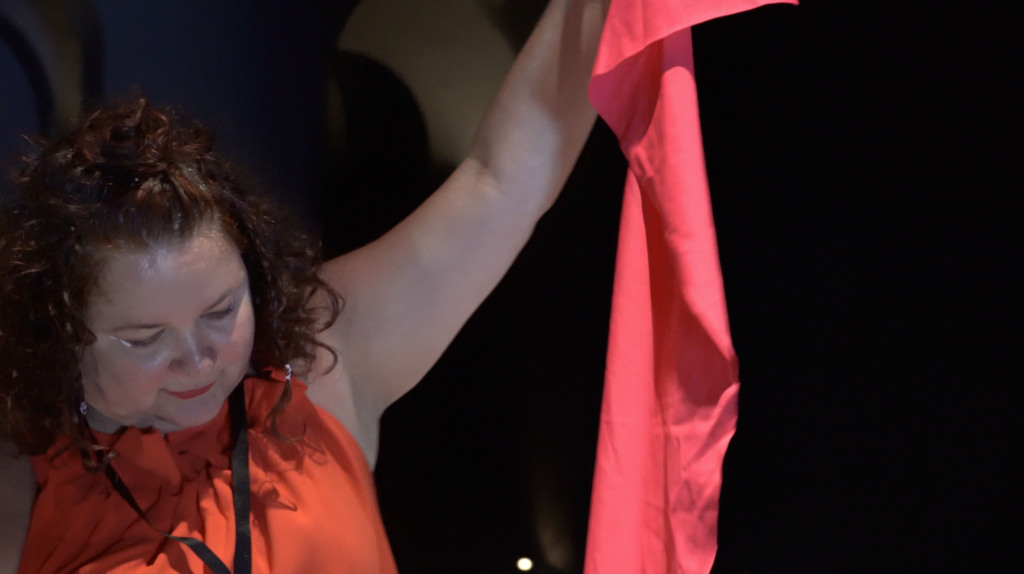
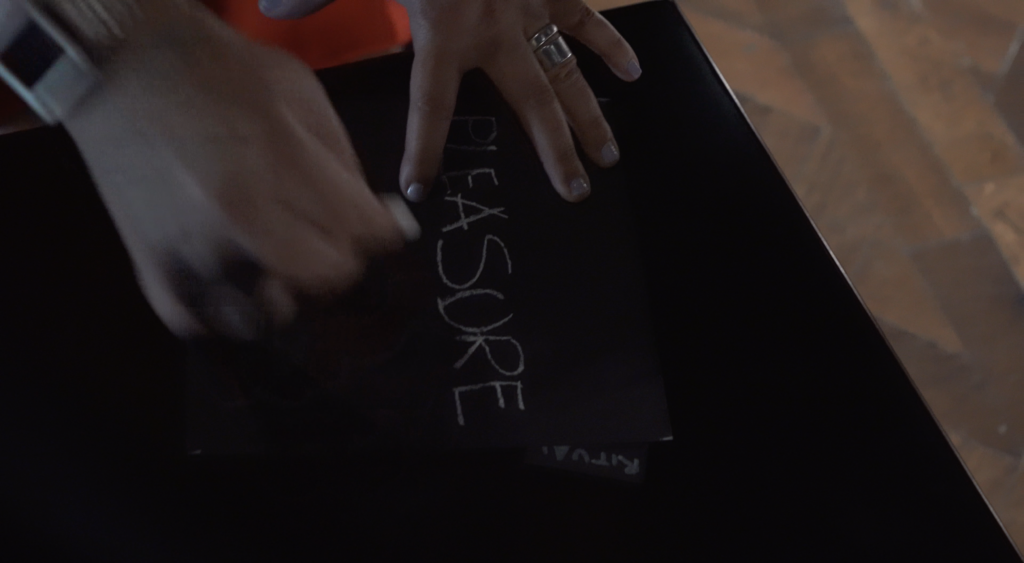
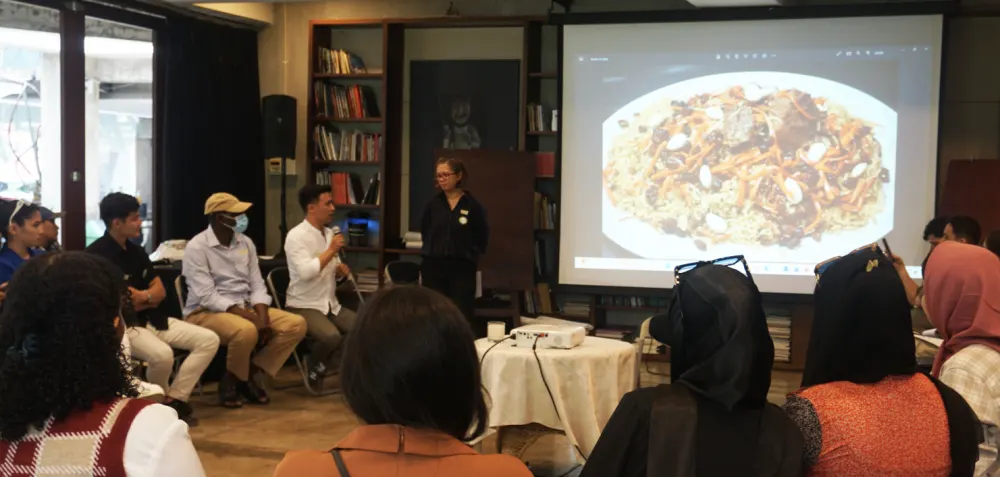
    This was a participatory experience that brought together UAL scholars and researchers, NGOs working in social purposes, refugee partners and participants from the RTN network, PGT students and MA Service Design Alumni. We gathered around ideas, music, rituals, magic, stories, theatre of the oppressed, and movement, all with a critical emancipatory twist.  

    The event celebrated the end of the AHRC networking project by sharing lessons learned from the journey of imagining transition actions in the context of displaced populations, across UK and Indonesia. 

    We celebrated Pluriversal Ways of Knowing methods opening a discussion that considers lived experience, creative practices and epistemological diversity as ways to not just disrupt academic colonizing systems of knowledge, but also, as catalysers of political activation and spiritual connection.

    This event ignaugurates the Pluriversal Ethics strand of research at IsITethical integrating past projects and catalysing collaboration for our next endeavours!

  • Ritual, Dance, Ethics

    Ritual, Dance, Ethics

    Malé Luján Escalante
    Luke Robert Moffat
    Lizzie Harrison, Art & Design, UWE
    Viv Kuh, Responsible Innovation, University of Bristol


    Dancing with the Troubles


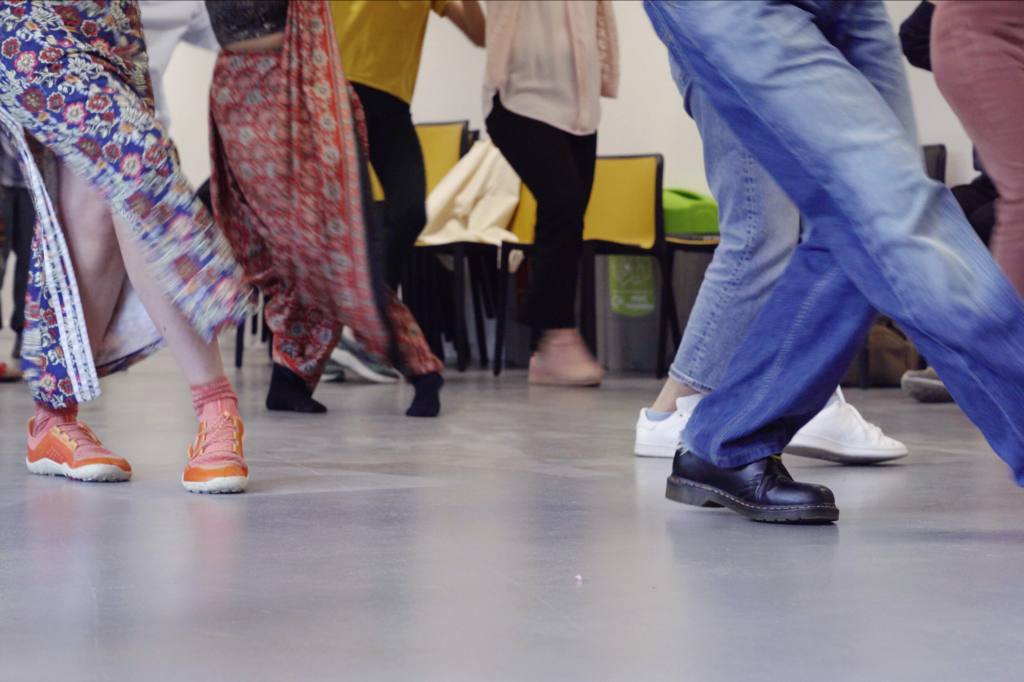
    Dancing with the Trouble is a call to rehearse with our bodies rituals for anticipating, noticing, and addressing ethical tensions — to nurture a mindset of collaborative creativity and radical care. Beyond the duties of data management, privacy, justice, sustainability and diversity, we aim to support capacities to respond to uncertainty with music, movement and the creation of Radical Emancipatory Values.

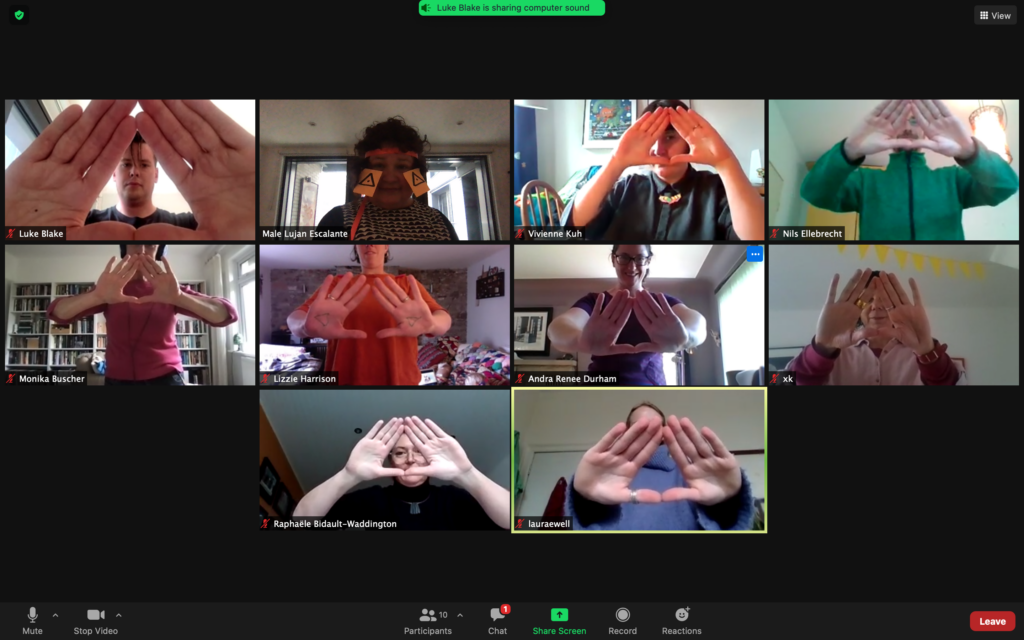
    The ritual started online, in the midst of the pandemic, framed by little Zoom boxes. Mildly exhausted from endless virtual conferences on ethics of AI, we decided to explore ways of embodying ethics, instead of just talking about it. In collaboration with street dancers, aikido masters, HIIT trainers and choreographers, we created a series of 12 values with accompanying movements that could be danced on screen.

    Inspired by Indigenous AI Protocols, Donna Haraway and ritual design, together we celebrate rituals embracing the magical, illogical, delightful and laughable to inspire healthier AI.

    Together we are building on this ritual to design a novel pedagogy for teaching responsible innovation and circumspect reflection in universities, industry and beyond.


    Celebrations


    We have celebrated the ritual online and in person in:


    Human Show Podcast


    We discuss how to use creative ways to form a space of exchange and how to exercise ethics. What is the end of me and the beginning of someone else? We also cover ethics for more-than-humans – if nature can produce technologies, then why would it not have its own ethics too? 


    Publications


    Read more about the ritual on our Pivot paper: 

    Luján Escalante, M. A., Moffat, L., Harrison, L., & Kuh, V. (2021). Dancing with the Troubles of AI. Design Research Society available here


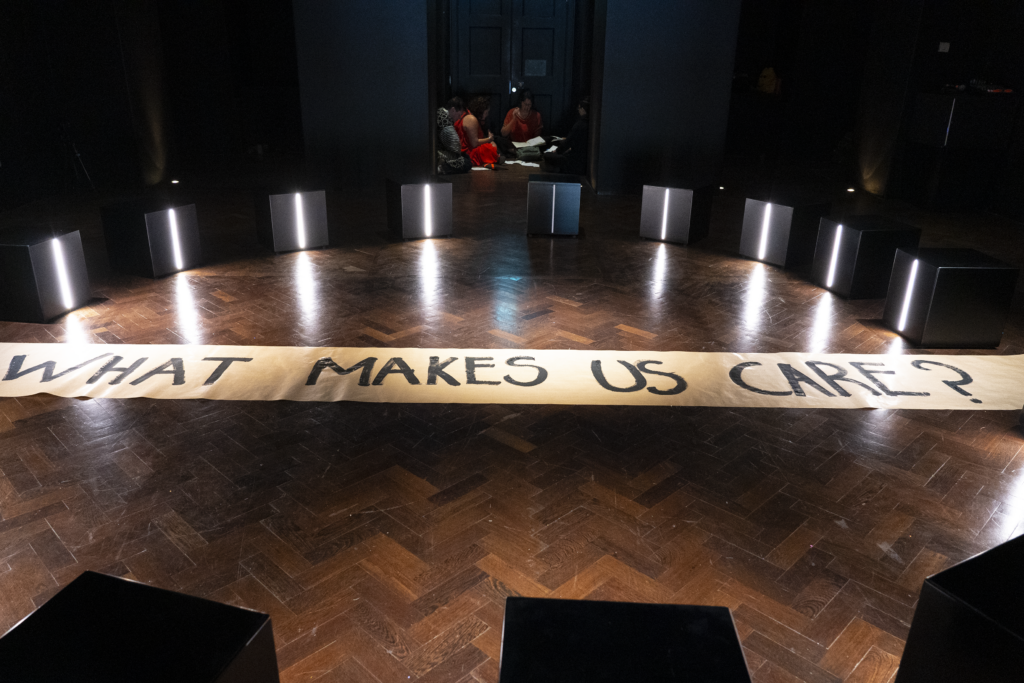
    Care Pavilion, London Design Biennale


  • Envision the Transition: Participatory Design Conference

    Envision the Transition: Participatory Design Conference

    AHRC Refugee Transition Network Activity

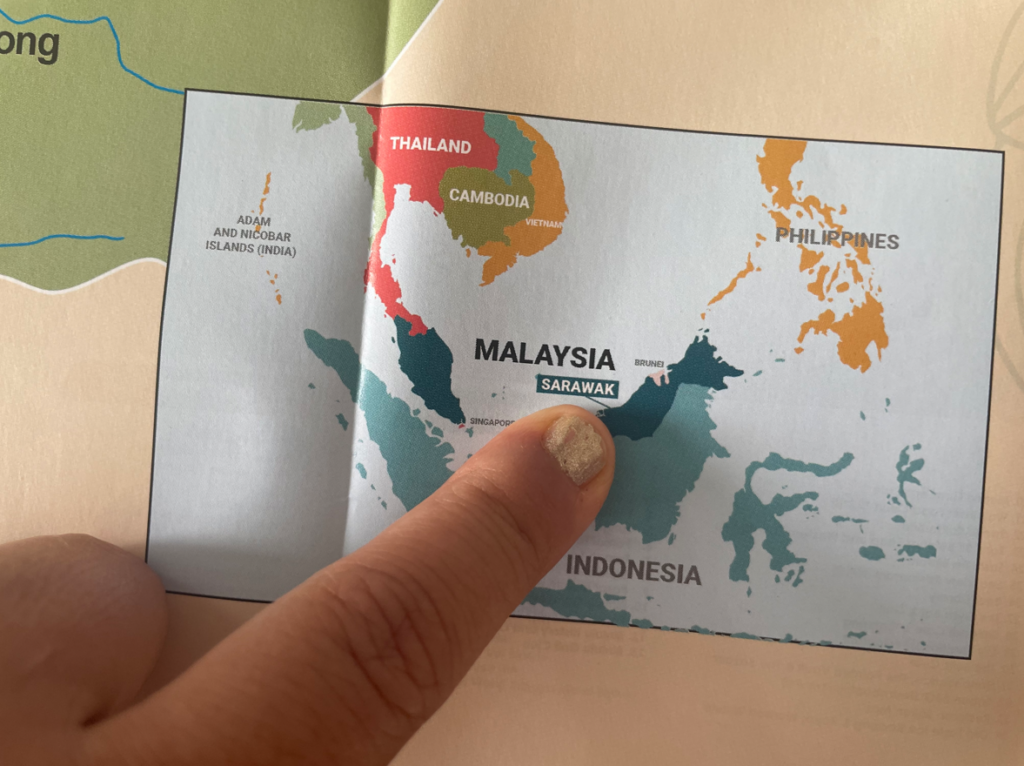
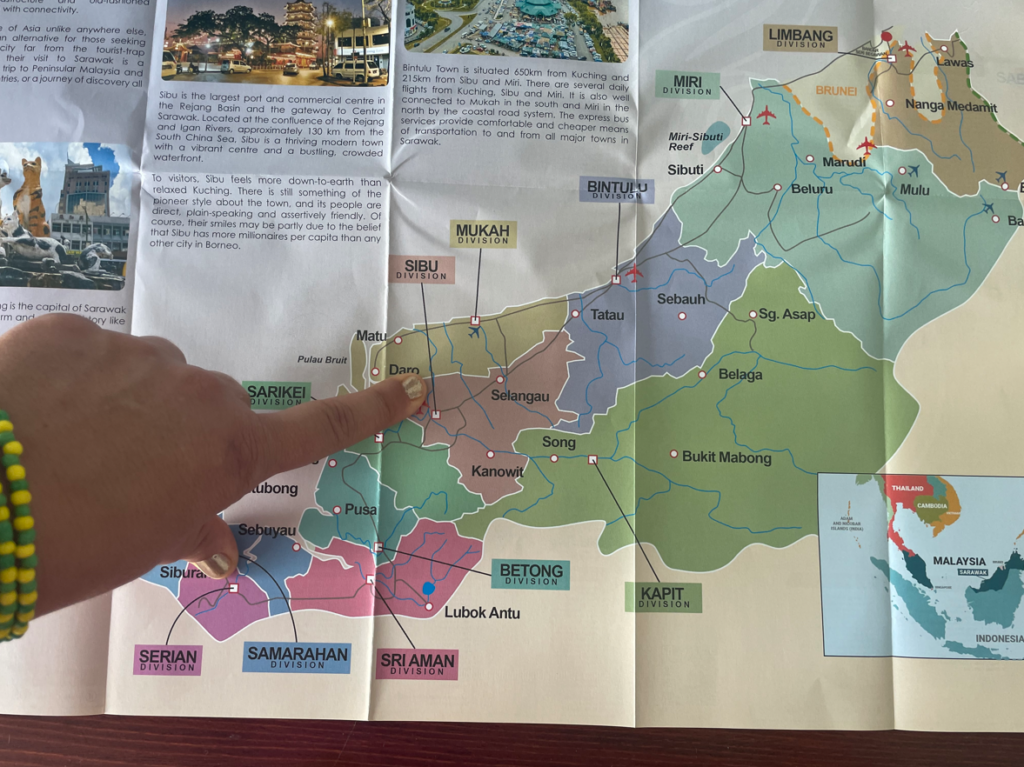
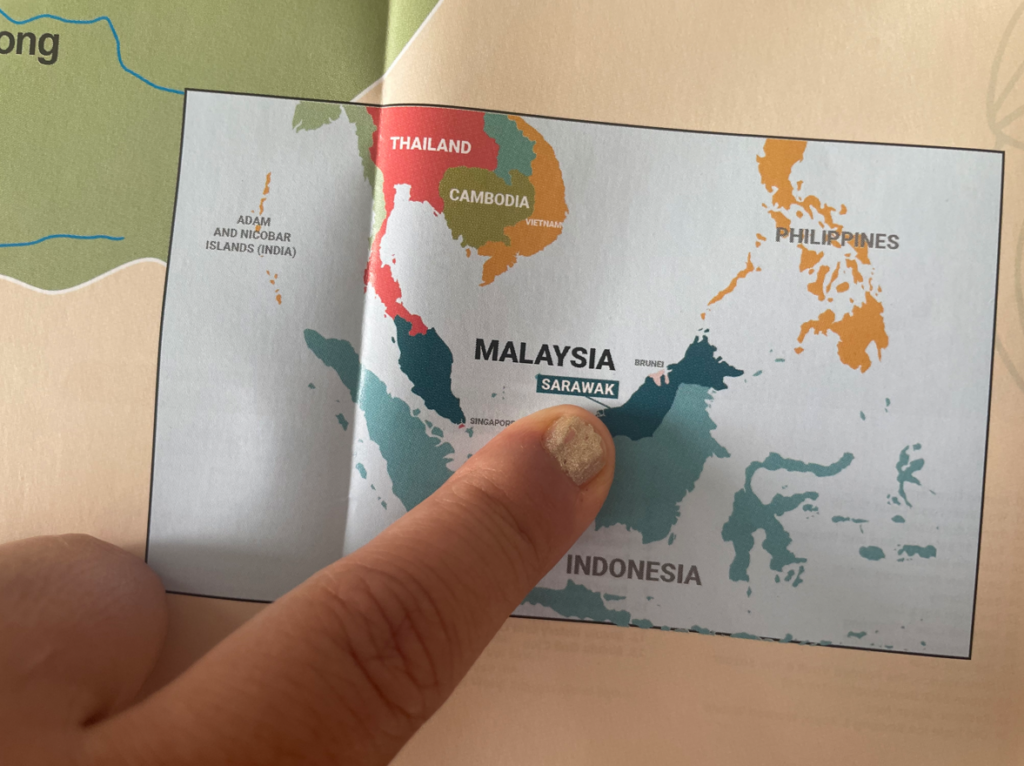
    ‘Envision the Transition’ is a workshop taking place as part of the Participatory Design Conference (PDC), in Sibu, Sarawak in August 2024.

    ‘Envision the Transition’ is a result of the work developed by the Refugee Transition Network (RTN), an international networking project funded by the Arts and Humanities Research Council (AHRC).

    The project aims to apply Transition Design (TD) frameworks in the context of forced displaced population and urban refugee management.

    After conversations with academics, co-designers and community-led organisations, we have devised 5 principles to help engage with other disciplines and communities in a real-world context:

    • Decentring designing from participatory processes.
    • Relational leadership
    • Pluriversal approach
    • Utopian imagination
    • Inner practice: spiritual and political exercises

    Read more about our 5 principles

    Transition Living Lab

    Based on these principles, ‘Envision the Transition’ is the first session in what will become a 12-week programme. Titled  ‘Transition Living Lab’, this series is designed for migrants, other displaced people and anyone else looking to inspire change in their own communities.

    Objectives

    This workshop aims to collectively imagine our inner change-making practice by bringing together traditional ecological knowledges and utopian imagination. We will experiment with techniques not only to share experiences and combine ideas, but also to incorporate and support the inner work of all our participants.

    We will also explore how can we better connect with ourselves and with each other aligning our disciplines with our traditions.

  • Piloting methods – workshops with refugee and practitioners

    Piloting methods – workshops with refugee and practitioners

    AHRC Refugee Transition Network Activity

    In October and November 2023, the Refugee Transition Network conducted two ‘Envision the Transition’ co-creative workshops with displaced people in the UK and Indonesia, involving over 30 participants.

    Additionally, a ‘Training the Trainers’ workshop was held to build the capacity of eight displaced youth in Indonesia, who then became facilitators of the ‘Envision the Transition’ workshop.

    These workshops were in collaboration with third-sector organisations: TERN in the UK and Archipelago Collective in Indonesia.


    Envision the Transition: UK with TERN


    In October 2023, in collaboration with TERN, we engaged five refugee women from Croatia, Chad, Syria, Ukraine, and Sudan in a one-day co-creative envisioning workshop with the Design School at London College of Communication.

    The initiative served as a pilot for the Transition Living Lab, a model for training displaced people interested in becoming changemakers and agents of transition within their communities, utilising creative methods in a learning-by-doing approach.

    ‘Envision the Transition’ was conceived as the introductory session of a longer programme of activities that would serve as building blocks for the Transition Living Lab.

    The workshop employed a methodology design that brought together elements of Transition Design, the Systemic Design Framework (extended double diamond), Utopia as Method, and Pluriversal Design.

    The goal was to test assumptions and activities, receive feedback, and learn from the experiences of displaced people – identifying their main needs and drivers.

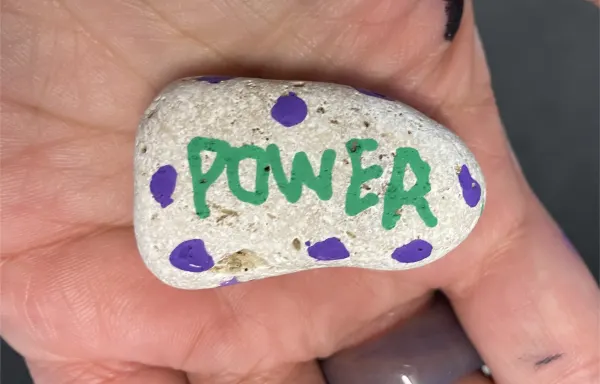
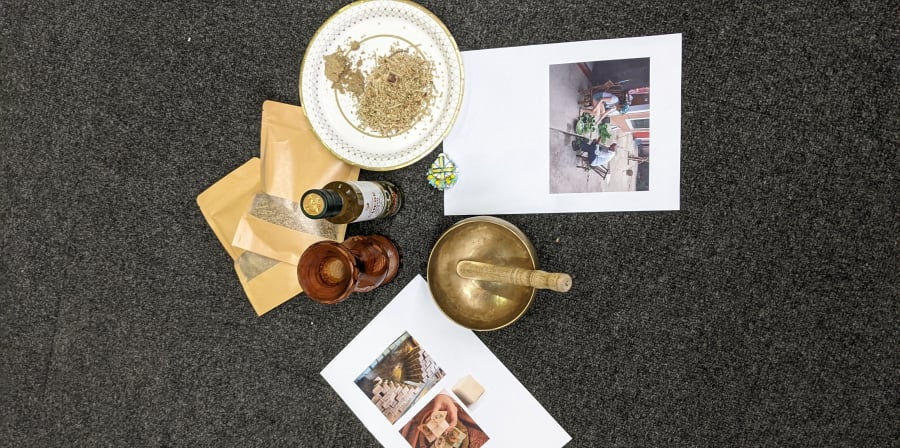
    The workshop activities relied on Traditional Ecological Knowledge artefacts that participants brought, to develop utopian and pluriversal visions of the transitions they aimed to lead, understanding transition in terms of ecological and social justice.


    Envision the Transition: training the trainers workshop


    In November 2023, we collaborated with the Archipelago Collective in Jakarta, Indonesia, to prepare eight displaced youths to become facilitators of the two-day version of the ‘Envision the Transition’ workshop in Indonesia.

    We introduced the trainers to the main key concepts and frameworks that informed the design of the workshop. Additionally, we covered skills in creative facilitation, group management, relational leadership, and a response-able pedagogy for change-making, encompassing its three principles:

    • Art thinking,
    • Meaningful engagement,
    • Ethical anticipation.

    Envision the Transition: Indonesia with the Archipelago Collective


    The third iteration of the Transition Living Lab method took place in Jakarta, Indonesia, involving 25 displaced youth as well as youth from the local communities.

    The workshop was delivered by the core research team in Jakarta and co-facilitated by the eight displaced youth who were previously trained. This extended version of the workshop aimed to test assumptions and learn from the displaced youths’ experiences of living in Indonesia as a transit country.

  • Good practice cases educational resource

    Good practice cases educational resource

    AHRC Refugee Transition Network Activity

    The Refugee Transition Network will launch an online Student Companion Resource in the summer of 2024.

    The resource will feature 18 good practice cases, including 10 by academics and practitioners, as well as student projects from four higher education institutions across Indonesia and the UK. It will be available in two languages: English and Bahasa. The aim is to share collaborative creative methods for engaging vulnerable communities.

    The Refugee Transition Network project includes a pedagogical component. We have found that, although academic journal articles and project reports are published across disciplines and sectors for a range of audiences, there is a lack of learning resources for students and practitioners focused on careful and collaborative creative methods to meaningfully engage vulnerable communities.

    In response, we are currently developing this online Student Companion Resource that compiles a range of good practice cases and lessons from academics and practitioners working with communities to co-create solutions for complex problems.

    The Student Companion Resource will highlight eighteen short, good practice cases focusing on creative methods for community engagement. Ten of these cases are produced by academics and practitioners, and ten are postgraduate student projects that responded to the Transition Living Lab for displaced youth.

    This resource will be published in English and Bahasa for postgraduate students and early career researchers.